
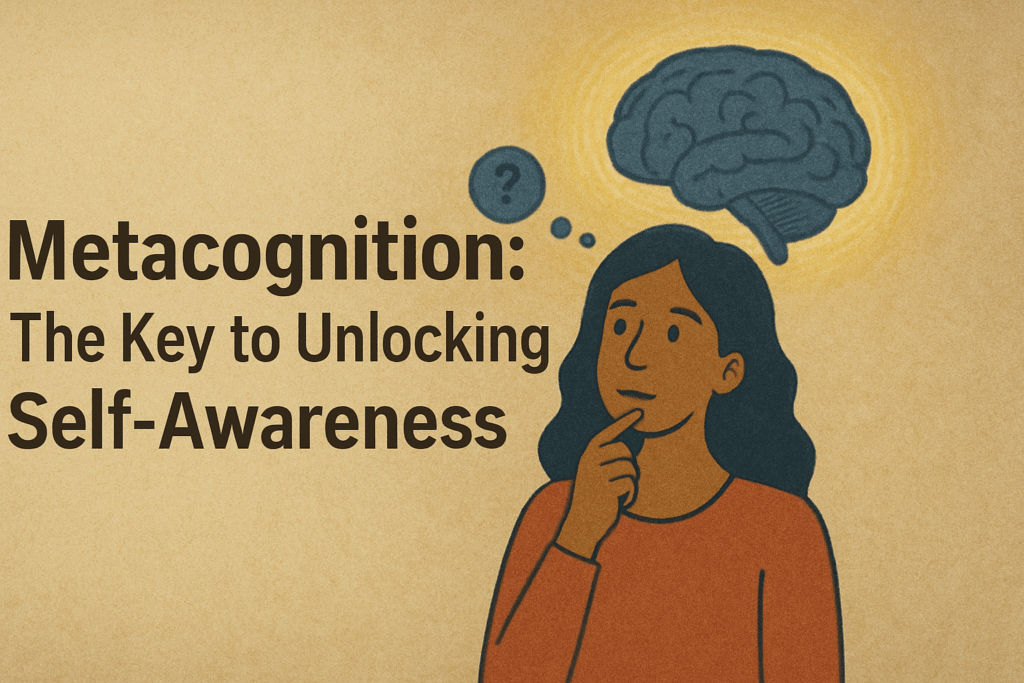
Have you ever stopped in the middle of a thought and asked yourself, “Why do I always think like this?” That pause—small as it seems—opens the door to transformation. It’s called metacognition, and it simply means thinking about your thinking.
Metacognition is more than awareness. It’s the ability to step back, observe your thought patterns, and guide them with intention. When you learn how to work with it, you unlock deeper self-awareness, emotional balance, and personal growth.
What is Metacognition?
Metacognition has two powerful layers:
Awareness of Your Thoughts
- Noticing your beliefs, habits, and triggers.
- Recognising when your inner voice is supportive—or when it’s keeping you small.
Managing Your Thinking
- Reflect on whether your thoughts are empowering or limiting.
- Asking: “Is this way of thinking serving me—or holding me back?”
- Choosing new perspectives that align with the life you want to create.
This is where lasting change begins—through awareness and intentional action.
Why Metacognition Matters for Personal Growth
Most of us live on autopilot, replaying the same subconscious beliefs again and again. Metacognition helps you step out of those loops and create something new. Here’s how it supports transformation:
- Releasing Limiting Beliefs: By noticing old mental stories, you gain the power to rewrite them.
- Emotional Regulation: Instead of reacting, you learn to pause and respond consciously.
- Confidence & Clarity: Greater self-awareness strengthens trust in yourself and your choices.
- Healing from the Root: Observing your thoughts helps you trace patterns back to their origins, making deep healing possible.
This is also why hypnotherapy works so beautifully alongside metacognition. While metacognition brings awareness, hypnotherapy helps you access the subconscious—the place where those patterns were formed—and gently transform them.
Everyday Examples of Metacognition
You practice metacognition when you:
- Catch yourself in negative self-talk and replace it with compassion.
- Recognise that procrastination comes from fear, not laziness.
- Notice anxiety rising and ask: “What story am I telling myself right now?”
- Pause before reacting in conflict and choose a calmer, more empowered response.
Each small act of awareness brings you closer to living in alignment with your true self.
How to Strengthen Your Metacognition
Here are some practical ways to build this skill:
- Ask Reflective Questions
- What’s really driving this thought or reaction?
- Is this belief truly mine—or something I absorbed from others?
- How can I reframe this in a way that supports me?
- Practice Mindfulness or Meditation
- Notice your thoughts without judgment.
- Use your breath as an anchor to bring you back to the present.
- Keep a Thought Journal
- Write down recurring thought patterns.
- Reflect on how they influence your choices and emotions.
- Work with Your Subconscious
- Hypnotherapy helps you reach the deeper layers of the mind where patterns are stored.
- Combining awareness with subconscious work makes the transformation lasting.
Final Reflection
Metacognition is more than a mental skill—it’s a path to self-mastery. By observing your thoughts and guiding them consciously, you free yourself from old patterns and step into the life you truly want.
Change always begins within. And the simple act of noticing your thoughts can become the spark that transforms everything.
Ready to Go Deeper?
Would you like to explore how metacognition and hypnotherapy can help you break old patterns, overcome limiting beliefs, and step fully into your power?
